
Planning an Etosha visit
Connect the places you want to observe with transport, a confirmed base and current park instructions.
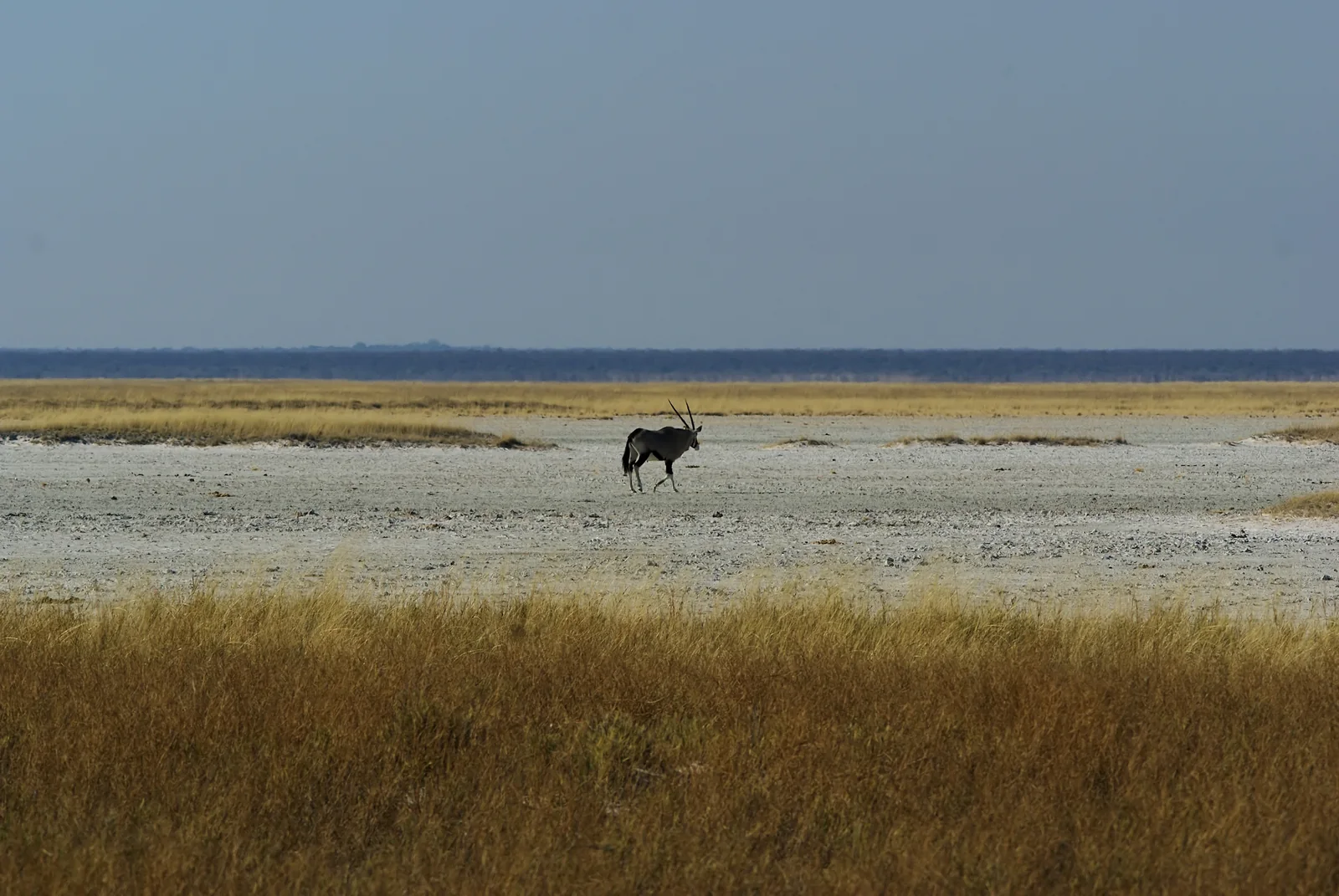

Start an Etosha plan with the arrangements that make the visit possible: where you will arrive from, how you will travel within the park and where you will stay. Photographs help identify interests, but they cannot settle those practical questions or establish the conditions of a future visit.
Compare the actual arrangements
A self-drive plan and a guided itinerary place different responsibilities on the traveler. Read the details of the option you are considering. Establish who provides transport, what departure point is used and which named stops are included. Keep accommodation arrangements separate unless the offer expressly includes them.
| Part of the visit | What to check |
|---|---|
| Arrival | Your starting point, the relevant entrance and the operator or camp’s current instructions. |
| Transport | Who provides the vehicle and which movements are included. |
| Accommodation | The named base, its location and the arrangements confirmed for your dates. |
| Activities | The actual itinerary, meeting point, inclusions and any conditions attached to an activity. |
| Changes | Cancellation terms and how the provider communicates changes. |
Use current primary information
Namibia Wildlife Resorts’ Etosha pages provide a starting point for its own resort information. Use the relevant operator’s current material for decisions about a particular stay or activity, and check the park authority’s instructions before traveling. This guide does not publish a fixed timetable or replace a booking confirmation.
Keep the information you need available for the journey: confirmations, contact details and the instructions associated with your arrangements. If a requirement is unclear, resolve it with the responsible operator rather than assuming that another visitor’s experience will apply.
Leave space for observation
A useful plan makes room for a pause that produces no dramatic sighting. Consider the pace as well as the list of places, and avoid treating a photograph of a particular animal as a promise attached to a booking.
Read how to compare bases, then review the tour listings with these questions in mind. Provider descriptions and current terms remain the sources for the offers themselves.